Deep Vein Thrombosis: Symptoms and Causes
Health

Deep Vein Thrombosis: Symptoms and Causes

If one wants to understand the causes of deep vein thrombosis (DVT), then it is essential to understand the disease first. Blood circulation is necessary for the normal functioning of the body. A healthy blood flow is vital as it supplies nutrition and oxygen to the different parts of the body. However, if the blood moves too slowly through the capillaries, then blood clots start to appear. When these clots form deep in the veins of the body, it results in deep vein thrombosis. This condition mainly occurs in the lower limbs and pelvis of the affected person. Details on this condition include the following: 1. Symptoms The study of the different symptoms and signs of this disease can help doctors to find the major causes. However, the symptoms of deep vein thrombosis can differ in different patients. But the basic features of the disease remain the same. Many people report having experienced prolonged pain in their limbs due to this condition. Patients also experience discoloration of the skin on their legs along with a feeling of heat in the lower limbs. 2. Causes of deep vein thrombosis There can be various causes of deep vein thrombosis such as surgery, accidents, injuries, etc.
Read More

Great Trucks to Consider in 2020
Lifestyle

Great Trucks to Consider in 2020

When one goes to buy a truck, it is not necessary that the truck that has a low-priced sticker can be considered as one of the best trucks to purchase. Similarly, when a person spends a huge amount on a truck based on the ratings, it does not make any sense either. Therefore, one needs to buy a truck that provides dependability, performance, and features that a person expects from it while spending the money on the purchase of the vehicle. For this purpose, one needs to know every truck’s available and standard features, scores attained for reliability and safety, and the average ownership cost. These trucks are the best and need to be considered by the person before they settle for something they would regret buying later. 1. Chevrolet Silverado 1500 Compared to the GMC Sierra, the fully redesigned Chevrolet Silverado 1500 full-size truck is priced almost $1,000 less. The vehicle is considered to have the second-highest initial price as per the list of top trucks for 2020 that the vehicle has been placed in. This vehicle, however, is considered to be cheaper in terms of ownership for five years than the rest of the trucks. This truck is considered to be one of the most excellent options because the predicted reliability rating of the truck is on a higher side.
Read More
Causes and Treatments of Low Libido
Health

Causes and Treatments of Low Libido

Hypoactive sexual desire disorder, or low libido, is a term used for a lack of interest in sex. Although sexual desires might vary from time to time, with age, during certain periods of hormonal fluctuation (i.e., pregnancy or menopause), and from person to person, low libido might be a matter of concern if it is experienced for an extended period of time. Some of the causes of low libido are: 1. Low levels of testosterone An important male hormone, testosterone is an important factor for sexual desire. Testosterone levels tend to naturally reduce with age and also cause mood swings, reduction in muscle and bone mass, and erectile dysfunction. The treatment options for improved libido varies from person to person. Treatments available for improving low levels of testosterone include intake of oral supplements and application of gels, patches, or testosterone replacement therapy. 2. Medications Medications used for high blood pressure, prostate cancer, antidepressants, and hormonal contraceptives can interfere with one’s desire for sex and are one of the causes of low libido. Regular use of these medications can lower testosterone levels, leading to low libido. Avoiding or changing medications that can cause low libido might help in improving sex drive.
Read More
Toxic Houseplants for Cats from the ASPCA
Lifestyle

Toxic Houseplants for Cats from the ASPCA

The American Society for the Prevention of Cruelty to Animals (ASPCA) has listed out some toxic houseplants for cats that could affect their health. This article gives you information about some of the plants that ASPCA has identified as toxic, and these should not be kept in your home as they can be harmful to your pet cat. Here are the most toxic houseplants for cats: 1. Lilies The lily family of plants, including the ornamental tiger lily, is unsafe for cats. Apart from tiger lilies, even peace lilies can be harmful owing to the fact that their pollen is believed to cause kidney failure, which can be fatal. 2. Tulip If your cat consumes the bulbs of tulips and the Narcissus plants that contain toxins, it can lead to gastrointestinal upset, convulsions, and nerve problems. 3. Rhododendron Plants belonging to the Rhododendron family, which is often found in numerous homes, contain grayanotoxins that can cause vomiting, diarrhea, cardiac failure, and harm the nervous system in cats. 4. Oleander All parts of this plant can be poisonous for your cat since they produce cardiac glycosides that can affect heart functioning, which can prove to be quite hazardous. 5. Sago palm The sago palm is another lethal plant for your pet.
Read More
6 Facts About Non-Hodgkin’s Lymphoma
Health

6 Facts About Non-Hodgkin’s Lymphoma

Non-Hodgkin’s Lymphoma (NHL) is an umbrella term used to refer to all types of lymphoma except Hodgkin’s lymphomas. Non-Hodgkin’s lymphoma can occur due to multiple reasons, and it mainly affects the immune system. The lymphocytes are destroyed due to this disease and it can be fatal. Lymphocytes are a type of WBC (white blood cells) that play a crucial role in the human body. They act as the protectors of the body by recognizing the antigens and killing them effectively. However, this disease destroys these cells, thereby making the body more prone to viruses and pathogens. Researchers have found that non-Hodgkin’s lymphoma (NHL) is associated with several risk factors. But the causes of most lymphomas including non-Hodgkin’s lymphoma, are still unknown. However, there are a few fundamental risk factors known for most lymphomas. In this case, the significant causes of non-Hodgkin’s lymphoma are: 1. Gene mutations DNA carries the blueprint of the organization of the body. A change or alteration in the nucleotide sequence of the genome of an organism results in mutations. A gene mutation can occur for a lot of reasons like radiation, pollution, etc. A change in the gene sequence can alter the nature of the cells and turn them into tumor cells.
Read More
Best Home Remedies for Atopic Dermatitis
Home Remedies

Best Home Remedies for Atopic Dermatitis

Atopic dermatitis, commonly known as eczema, causes inflammation on the skin, leading to itching and rashes and may cause inflammation, skin scales, and even skin oozing blisters in some cases. When it comes to atopic dermatitis, natural treatments may be helpful in treating this skin disease. Given below are some of the best remedies for atopic dermatitis. Just be sure to check first with you physician to ensure safety: 1. Oatmeal bath One of the best home remedies for atopic dermatitis natural treatment is taking an oatmeal bath. It is very helpful in moisturizing and softening skin. It can also help treat inflammation. Colloidal oatmeal is a product made from powdered oat. This product can be added to a bath containing lukewarm water. Taking an oatmeal bath can be very helpful. After bathing, it is important not to rub the skin vigorously. Instead, drying by patting the skin with a soft towel is recommended. 2. Natural moisturizers Instead of using moisturizers that contain chemicals, one can use natural moisturizers made from organic products. These have no side effects and are helpful. Virgin coconut oil can be applied on the skin as a moisturizer immediately after a bath. Apart from moisturizing, it can also kill bacteria on the skin.
Read More
Factors that Increase the Risk of Pulmonary Hypertension
Health

Factors that Increase the Risk of Pulmonary Hypertension

Pulmonary hypertension (PH) is a condition that affects the arteries of the lungs and the right side of the heart. In some cases, the capillaries and pulmonary arterioles can become blocked, narrowed, or destroyed. As a result, blood has difficulty flowing through the capillaries, which increases the blood pressure level. Family history and poor lifestyle choices are essential causes and risk factors for this condition. Factors that increase the risk of pulmonary hypertension include the following: 1. Signs of pulmonary hypertension Many people do not demonstrate any symptoms during the early stages of pulmonary hypertension. However, a few common signs of this condition include: Shortness of breath Cough Dizziness A prolonged feeling of fatigue Chest pain Heart failure Heart palpitations Weakness Abdominal swelling, or swelling of the legs, arms, or ankles Cough Chalkiness of the skin at the fingertips 2. Causes and risk factors for pulmonary hypertension There are several causes/risk factors for pulmonary hypertension that vary significantly in patients. People of all races, ages, and ethnic backgrounds can develop this condition because of their lifestyle choices. However, a few common causes/risk factors for pulmonary hypertension are: Obesity and sleep apnea In obstructive sleep apnea, there is a sharp decrease in the level of oxygen during sleep.
Read More
Popular Diet to Follow to Treat Atopic Dermatitis
Home Remedies

Popular Diet to Follow to Treat Atopic Dermatitis

Eczema or atopic dermatitis refers to an itchy and painful skin condition that is marked by the appearance of red and cracked skin patches. Atopic dermatitis can affect both kids and grown-ups. The patches will typically appear on your face, neck, and body creases. It is necessary to know that there are home remedies for atopic dermatitis and that identifying eczema triggers can be a good way to keep it in check. The most common causes of eczema are obesity, lack of exercise, high-stress levels, dry climates, and dry skin. 1. Interesting facts about eczema prevention When a woman is pregnant, everything that she consumes is passed onto the unborn child. Research shows that breastfeeding mothers who had had a family history of eczema are less likely to get this condition when they forgo cow milk. Moreover, those babies that are only breastfed during the first three months will be less prone to developing eczema. People are likely to have both food allergies and eczema. In such cases, certain foods can trigger flare-ups, and these are hard to identify. So, when you suspect that some foods may cause flare-ups, you need to consult a healthcare professional. For instance, eczema is often triggered by gluten, shellfish, dairy foods, eggs, peanuts, and tree nuts.
Read More
Everything to Know About the Common Treatments for Cancer
Health

Everything to Know About the Common Treatments for Cancer

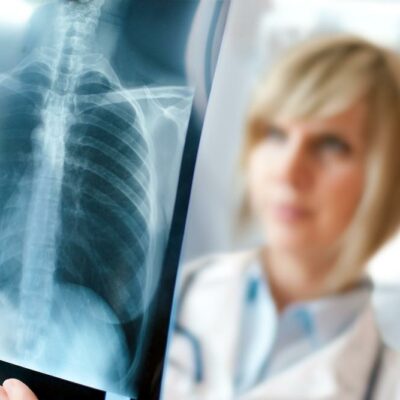
Anyone who has been diagnosed with cancer needs to get treated at the earliest to ensure a proper cure. Chemotherapy, radiation therapy, and surgery are the common cancer treatments suggested to cure cancer. The treatment options also depend on the overall health of the patient and their specific cancer. The common cancer treatments that are recommended are chemotherapy, radiation therapy, and surgery. The following includes everything you want to know about the common cancer treatments: 1. Chemotherapy One of the most common cancer treatments is chemotherapy. This is usually considered to be the first treatment for cancer. Chemotherapy involves the use of chemicals or medicines to treat cancer. These medicines or chemicals help in destroying the cancer cells. Chemotherapy can be administered by injections into the vein. It can even be administered as an oral medicine or a cream. This depends on the type and stage of cancer. Since chemotherapy uses very strong drugs, it can be an effective way of treatment. The strength of the medicines ensures that there can be severe side effects. These include: Hair loss Fatigue Bleeding and bruising Susceptibility to infections Anemia Diarrhea or constipation Mouth sores Kidney problems and urinary problems Mood changes leading to irritation and depression Infertility and sexual problems If the side effects are severe, then you need to see a doctor immediately for effective treatment.
Read More
Home Remedies for Cough and Cold
Home Remedies

Home Remedies for Cough and Cold

Cold and cough are common ailments that affect everyone at some point or another. They result from viral infection and spread easily. Cold symptoms and coughing can be extremely difficult to deal with. Symptoms such as a runny or stuffy nose, congestion, sneezing, and coughing can wreak havoc in your daily life and limit your ability to carry out day-to-day activities. The discomfort caused by cold and cough makes them one of the most annoying conditions. Ideally, antibiotics can be used for treating viral infections. However, there are other alternatives such as home remedies that can relieve symptoms of cough and cold. For centuries, people have treated cold and cough using natural remedies. Loaded with nutrients, home remedies can subside the discomfort and provide you effective relief from congestion. In this article, we’ve curated a list of reasons why you should try home remedies for the treatment of cold and cough: 1. Nutritional value Home remedies such as honey, ginger, vitamin-rich food items, and warm liquids like soup, etc., are replete with nutrients that help ease the soreness caused due to cold. They also help reduce congestion in the upper respiratory tract that often causes coughing. Consuming food items that are filled with vitamins and minerals helps the body fight infections.
Read More